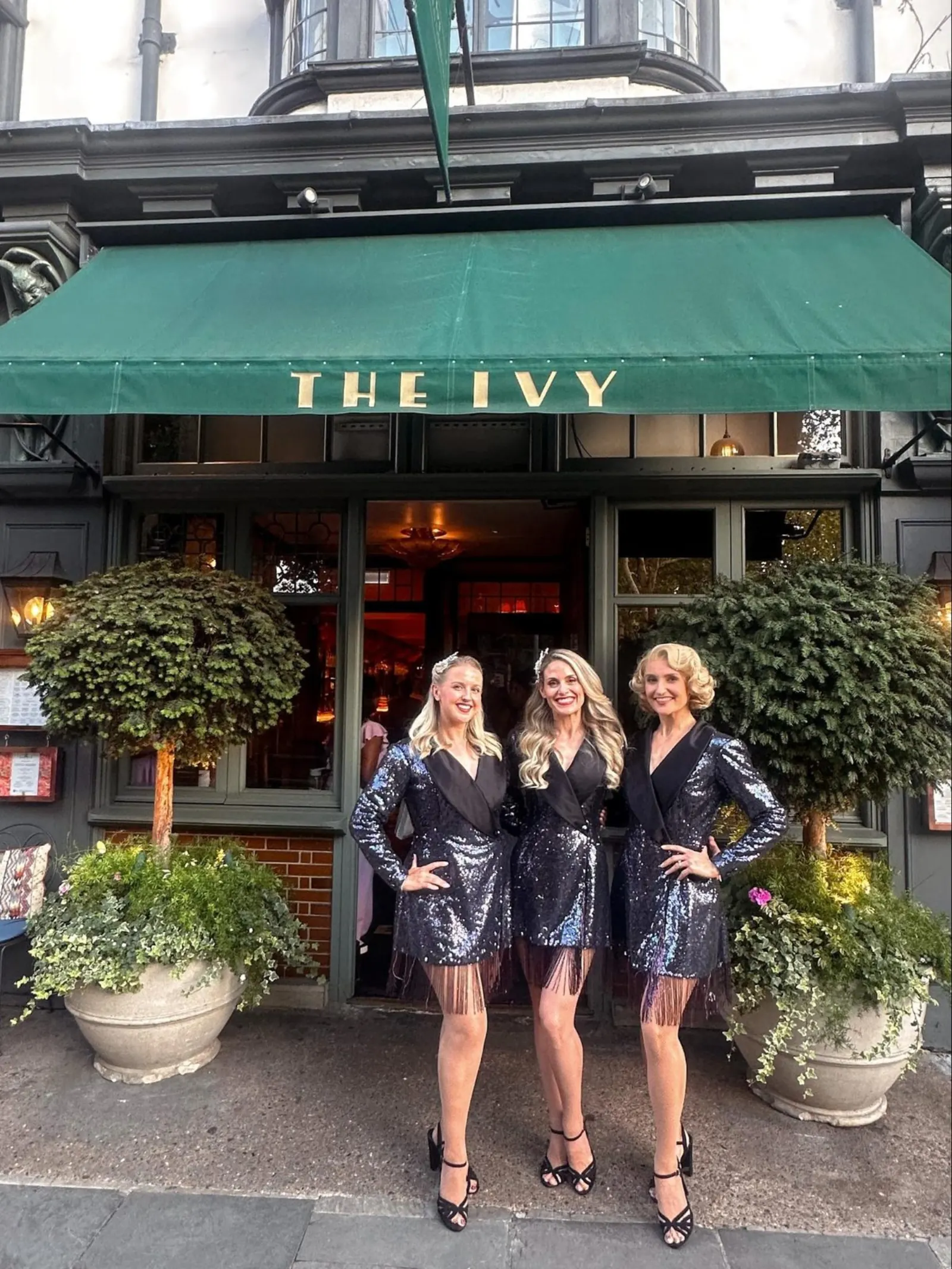
Live music for gala dinners and awards nights in London
What gala dinners and awards nights need from live music: polish, stagecraft, and a set that frames the reveal. A planner's guide to the run-of-show, from The Roxys.
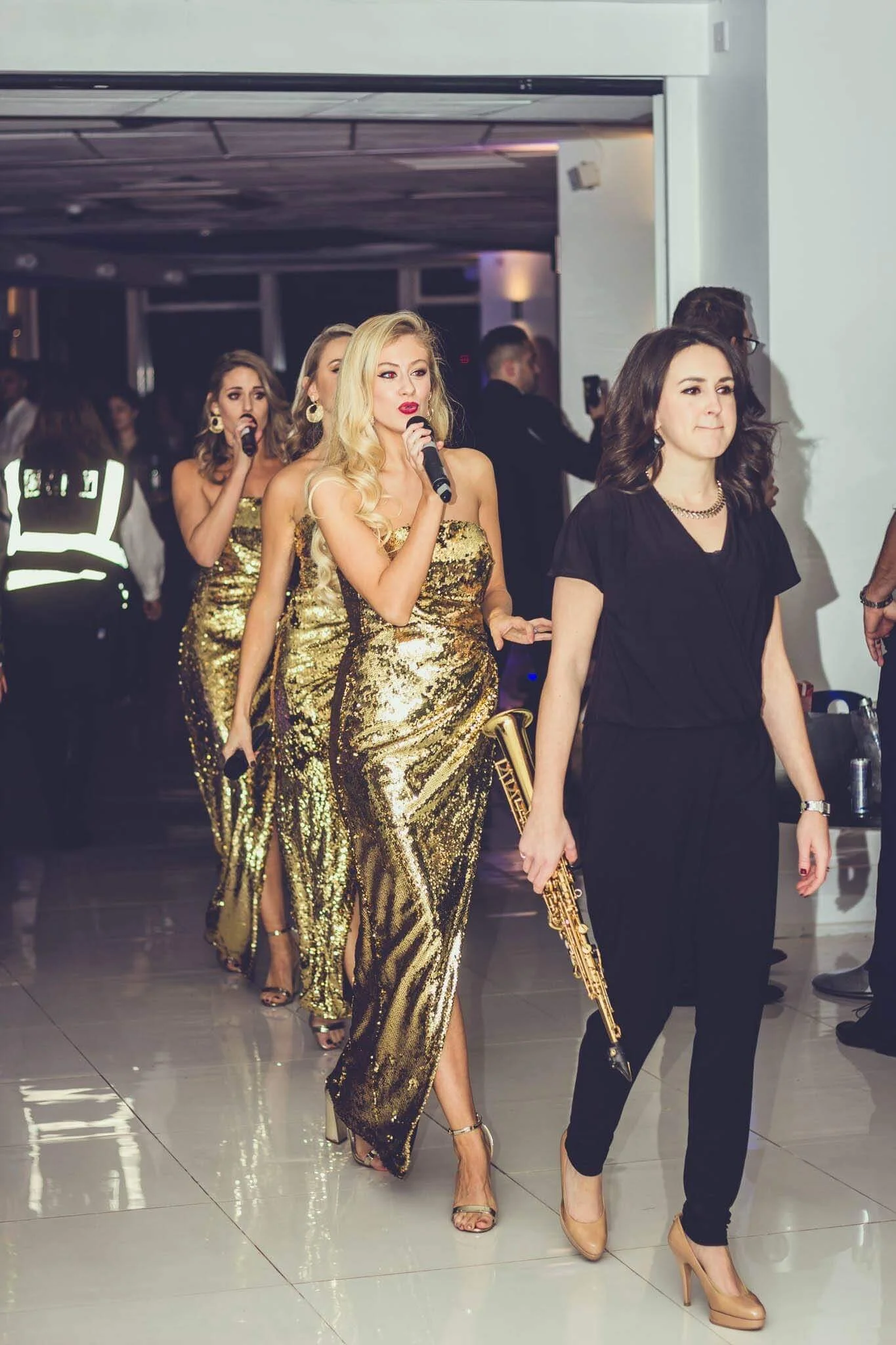
A gala dinner is the most produced kind of event most planners will ever run. There’s a run-of-show, a stage, an AV desk, a host with a script, and usually one moment (the reveal, the announcement, the headline auction lot) that the whole evening is built around. The entertainment has to fit into that machinery, not fight it. Here’s how to choose live music that makes an awards night feel like a production, moment by moment.
What galas need that other events don’t
Most events want atmosphere. A gala wants atmosphere plus stagecraft: an act that looks right under stage lighting, knows how to hold a room of several hundred, and understands that on this night the music serves the ceremony. Three things separate acts that thrive at awards nights from acts that merely play at them:
- Polish. Black tie raises the bar. Stagewear, presentation, and arrangements all need to match a room that’s dressed up: the act is part of the picture, in every photograph and every highlights reel.
- Discipline around the ceremony. A gala has hard cues. The act needs to land a set to the minute, sit out the announcements without losing the room, and lift the energy back up on demand.
- Range. The same night needs refined dinner music at eight o’clock and a celebration at eleven. An act that only does one of those leaves half the evening flat.
The run-of-show, moment by moment
Arrival and drinks. Guests in black tie, photographers working the room, a sense that the night is an occasion before anyone sits down. Live music here should feel elegant and unmistakably deliberate: close harmonies and familiar songs in vintage-jazz arrangements signal a produced evening from the first minute, without competing with conversation.
Dinner. The longest stretch of the night and the easiest to misjudge. The music’s job is to lift the temperature of the room while tables talk: recognisable songs, sophisticated arrangements, a level that flatters conversation rather than fighting it. This is also where the act earns trust with the room before the ceremony asks for its attention.
The ceremony and the reveal. This is the moment the night is built around, and live musicians can do what a playlist can’t: react. A lift as the host takes the stage, an underscore beneath the shortlist, a flourish as the winner is announced, a clean hand-back after each award. Agree these cues in advance: the difference between a ceremony that feels produced and one that feels improvised is almost always preparation, not talent.
The after-party. Once the last award is given, the room exhales, and the job changes completely. Now you want energy, a clear peak, songs everyone knows: more voices, a bigger sound, a set built to move people from their tables to the floor. The most seamless galas keep one act across the whole arc, so the evening builds to its peak rather than restarting with a different act.
Matching ensemble size to the room
Gala venues vary enormously, and the right ensemble follows the space:
- A grand ballroom with a stage rewards a fuller line-up: a vocal trio fronting a live band, with sound and lighting to fill the room and a real focal point for the after-party.
- A mid-sized dinner often suits a trio with live sax: the energy of a bigger act with a sleeker footprint.
- An intimate awards dinner (a boardroom-scale evening, a members’ club) wants a refined trio: presence without volume, so the ceremony stays the centre of gravity.
The mistake to avoid is booking by habit rather than by room. An act that performs in multiple formats lets you fit the music to the space, and to the budget-holder’s real priorities, instead of forcing the night around one fixed line-up.
Briefing the act: the ten-minute conversation that makes the night
The best awards-night performances come from the best briefs. Before the date, share:
- The run-of-show, with timings: when dinner is served, when the ceremony starts, when the floor opens.
- The hard cues: how winners are announced, whether there’s a walk-up moment to play, what the host needs from the transitions.
- The moment that matters most. Every gala has one. Tell the act what it is and they’ll build the set around it.
- The feeling you’re after: understated elegance, full-tilt celebration, or a build from one to the other.
Working with in-house AV
Most gala venues run their own production: house PA, lighting desk, a technical manager with a schedule. A good act treats that team as a partner, coordinating ahead of the date on inputs, sound check windows, and stage plots rather than turning up and negotiating on the night. Ask your act early whether they bring their own sound technician or plug into the house system, and connect them with the venue’s team as soon as the date is confirmed. It’s an unglamorous detail that decides whether the reveal lands cleanly.
Where The Roxys fit
The Roxys are a London vocal jazz group built for produced evenings: seven of London’s most accomplished singers, performing in four formats that scale from an intimate trio to a six-piece headline show with sound and lighting included. Awards dinners are exactly what the fuller format was built for: refined through dinner, disciplined around the ceremony, and a genuine centrepiece once the formal part is done, with the credits to match: performances at Four Seasons, The Dorchester, The Ned and beyond. For the wider decision of matching music to the feeling you want in the room, see our guide to choosing live music by the vibe you want.
If you’re planning a gala or an awards night, tell us the evening you’re picturing: the venue, the run-of-show, and the moment the night is built around. Enquire here and we’ll point you to the right format.
Check availability →Common questions
- What kind of live music works best for a gala dinner?
- Music with polish and stagecraft: refined enough to sit under conversation through dinner, strong enough to hold a stage when the room's attention turns to it. Recognisable songs in sophisticated vintage-jazz arrangements suit the black-tie register naturally, and an act that can scale from atmospheric sets to a headline peak covers the whole evening.
- How does live music work around an awards ceremony?
- The music frames the ceremony rather than competing with it: atmosphere through dinner, silence or a soft underscore during the announcements, a lift as each winner walks up, and a full set once the formal part is done. Agree the cues with the act in advance so the transitions feel produced, not improvised.
- What size ensemble do I need for a gala or awards night?
- Match the ensemble to the room and the moment. A ballroom of several hundred with a stage rewards a fuller line-up; a more intimate dinner suits a trio or a trio with live sax. A group that performs in multiple formats lets you fit the act to the space instead of over- or under-booking.
- How should I brief a band for an awards night?
- Share the run-of-show, the venue's AV setup, the moment that matters most, and the feeling you want in the room. Name the hard cues: when the ceremony starts, how winners are announced, when the dance floor opens. A well-briefed act shapes the set to the night rather than playing the same show everywhere.